
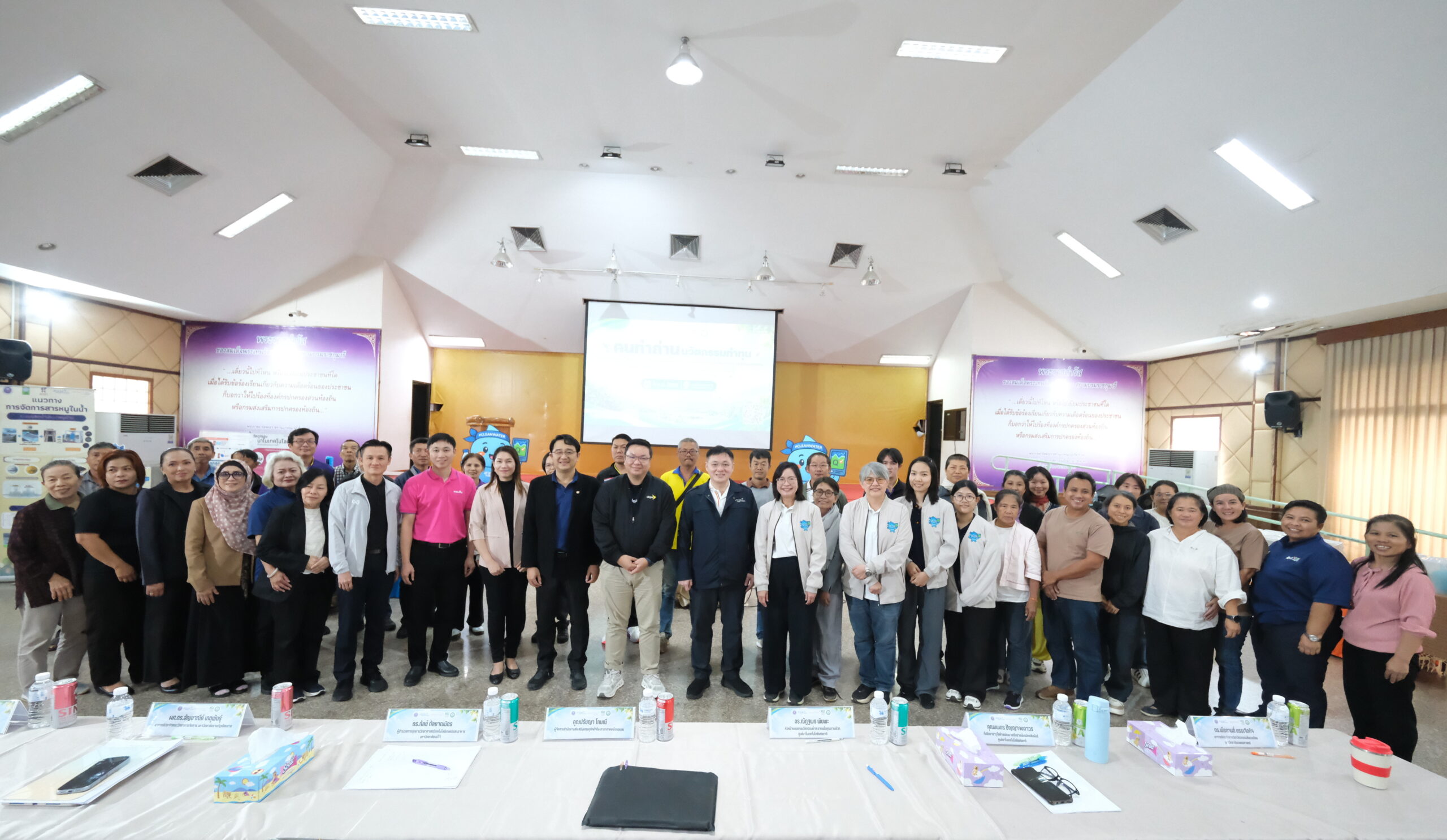
Hands-on training strengthens production and quality control skills, while a business plan competition offers THB 50,000 in prize money and three months of follow-up mentoring.
Chiang Rai, Thailand – November 7–8, 2026: The National Nanotechnology Center (NANOTEC), under the National Science and Technology Development Agency (NSTDA), organized a hands-on training program and business plan competition for community enterprises in Chiang Rai. The activities focused on developing products and business opportunities through the conversion of biochar into arsenic filtration materials. The program aimed to transfer Nano Biochar production technology and build community skills in manufacturing, quality control, and business planning, using agricultural waste as the primary raw material to add value to local resources and create livelihood opportunities.
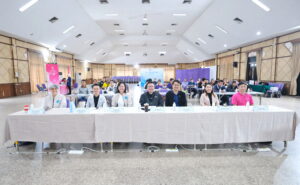
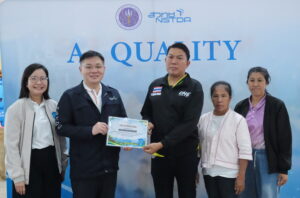
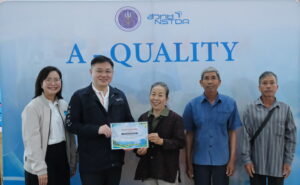
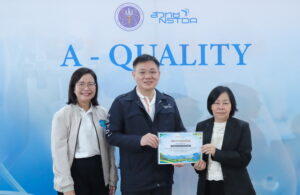
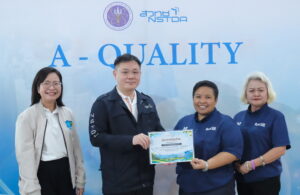
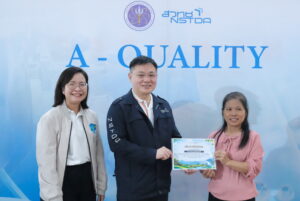
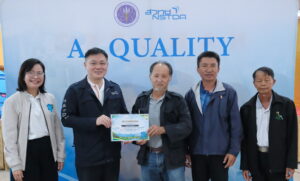
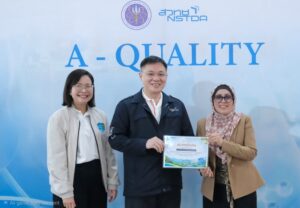
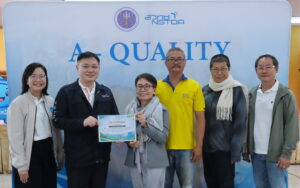
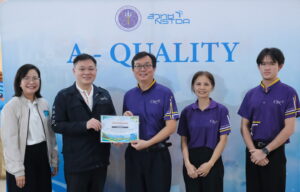
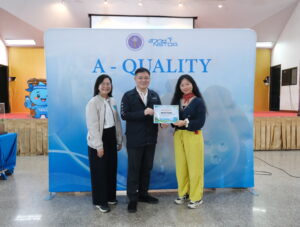
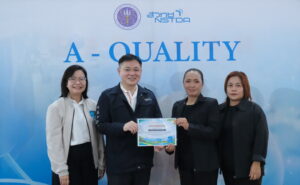
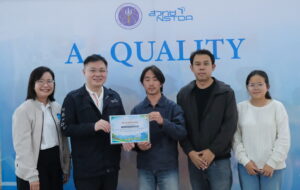
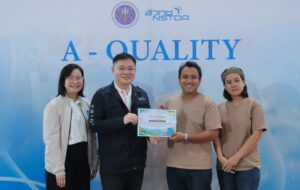
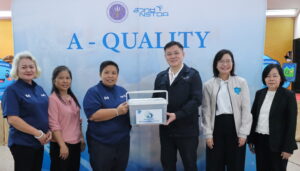
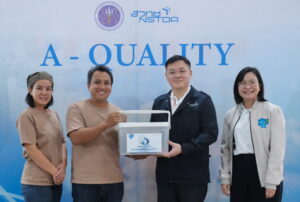
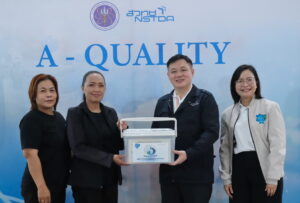
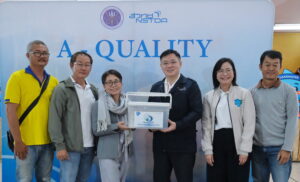
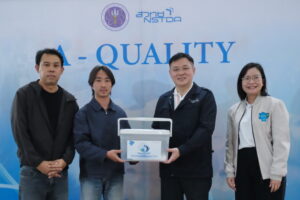
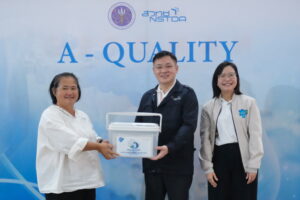
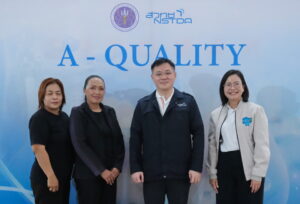
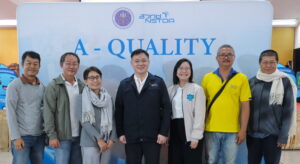
At the award ceremony, Dr. Wiyong Khangwansupamonkon, Deputy Director of the National Nanotechnology Center (NANOTEC), presented the THB 50,000 first prize to the winning community enterprise, Ton Kla Kaset Community Enterprise, Chiang Khian Subdistrict.He congratulated the participants and expressed his hope that the project would help establish nano biochar filtration materials as an innovation-based asset for local communities, creating opportunities to increase income, strengthen community enterprise capabilities, and improve quality of life.
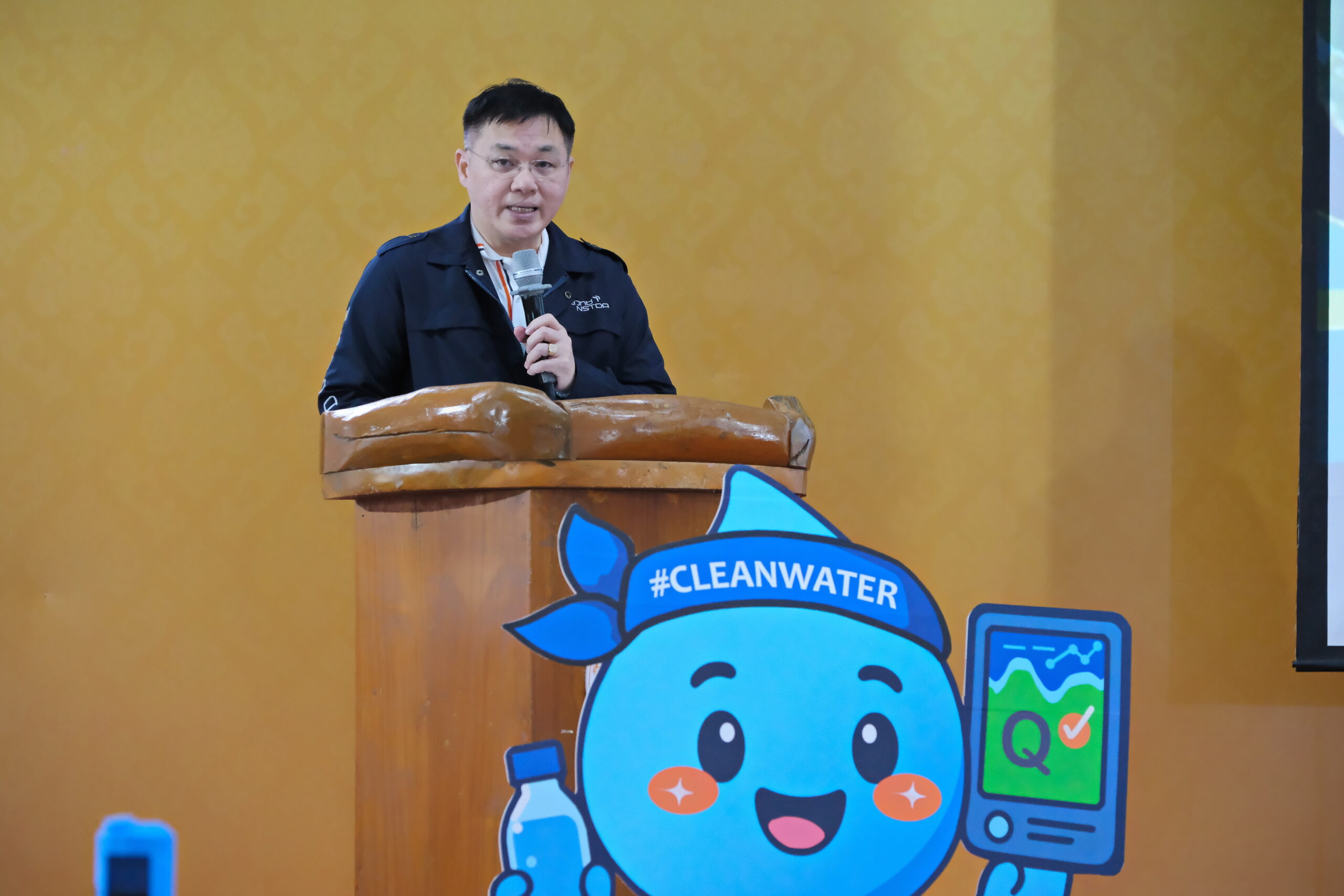
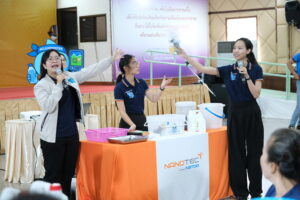
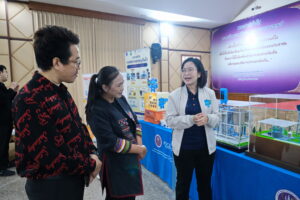
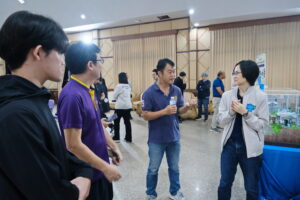
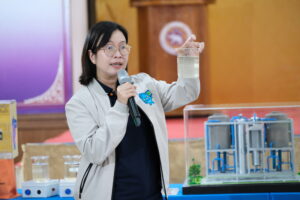
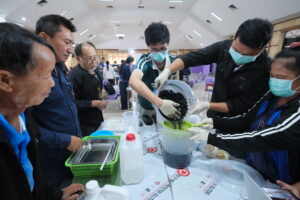
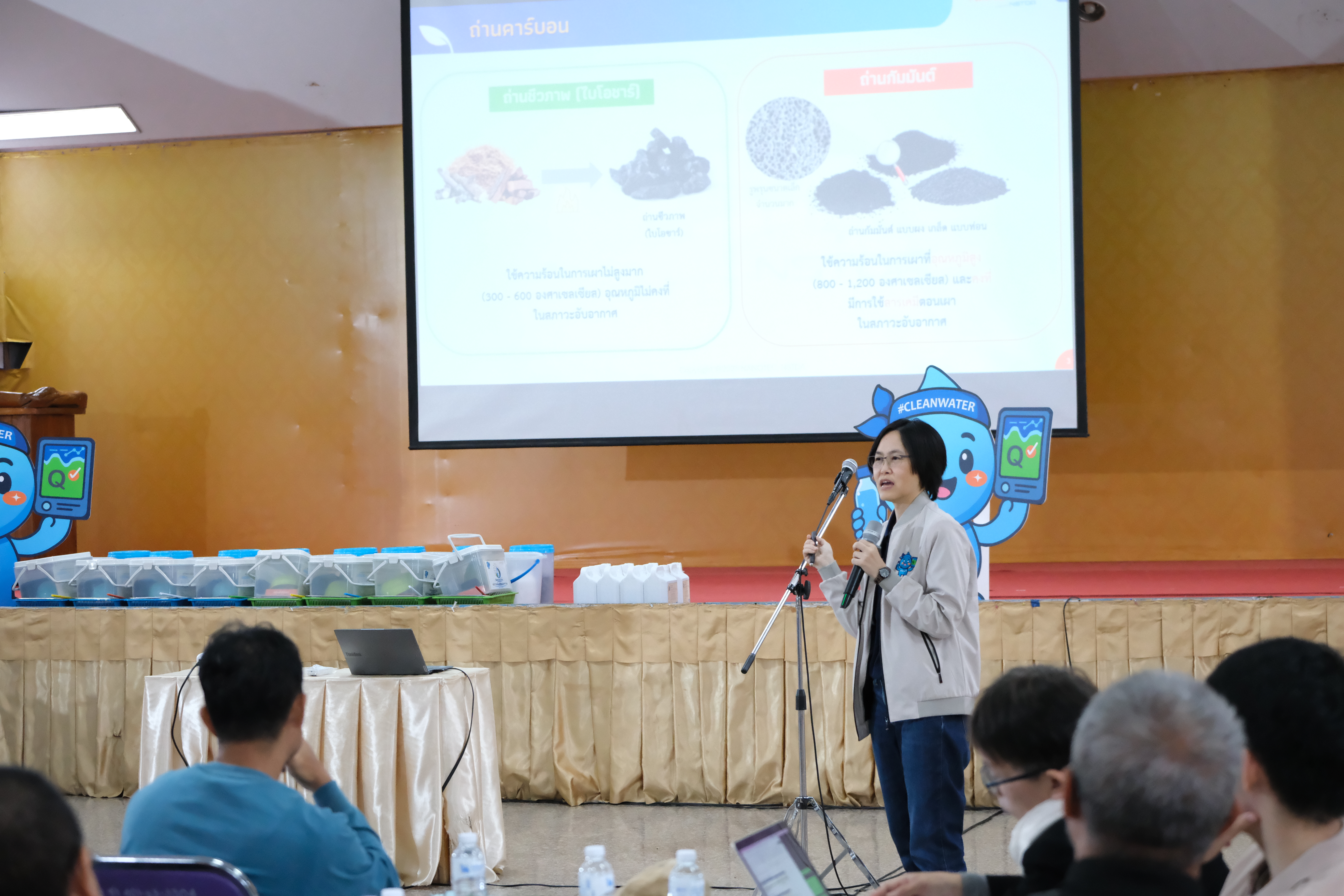
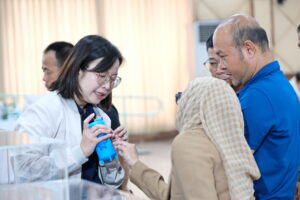
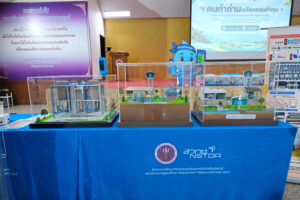
The program also featured knowledge-sharing sessions on water management and nano biochar production. Participants visited an exhibition on village water supply systems, attended a presentation on community water treatment, and took part in a hands-on workshop on producing nano biochar for arsenic filtration.
Dr. Nuttaporn Pimpha, Head of the Clean Water Innovation for Quality of Life Program at NANOTEC, said during the opening ceremony that access to clean water is fundamental to quality of life. Many areas continue to face water contamination from arsenic and agricultural chemicals. NANOTEC applies scientific knowledge and nanotechnology to develop filtration materials capable of selectively capturing contaminants, using biochar made from agricultural waste generated within local communities. The program also transfers production know-how to help community enterprises learn the process and adapt the technology to their own needs.
During the workshop, participants learned about arsenic and agricultural chemical contamination in water sources and their potential health impacts. Topics included the arsenic adsorption principles of nano biochar, production processes from biochar preparation through material modification, and quality control at each production stage. Participants were also introduced to product quality assessment and preliminary filtration performance testing.
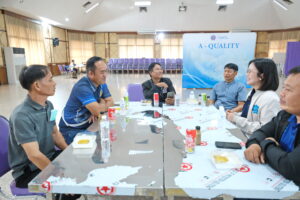
The training covered production planning based on market demand, including raw material sourcing, equipment and labor requirements, production layout, storage, and transportation. Participants practiced preparing production plans and estimating monthly production capacity based on the raw materials and equipment available to them. Researchers and project mentors provided guidance to help prepare the enterprises for product development and community-level production management.
The project was carried out in collaboration with the Agricultural and Food Science and Technology Park, Maejo University, with the venue provided by the Chiang Rai Provincial Administrative Organization. It aims to develop model community enterprises that can apply biochar processing technology, create marketable products, and build business opportunities, with the knowledge and experience shared with other communities in the future.