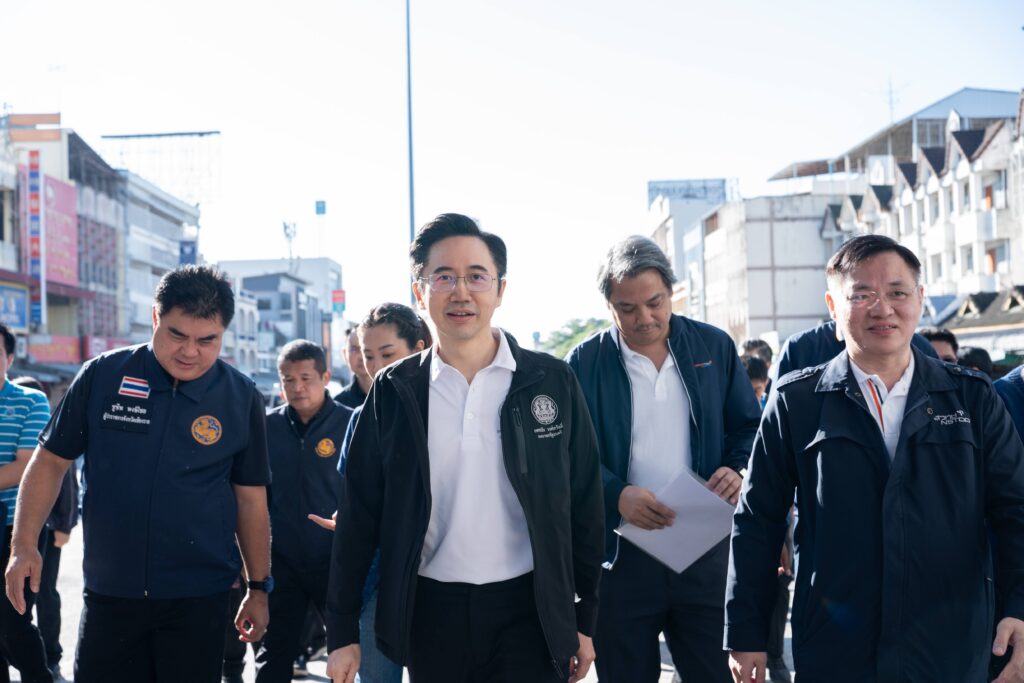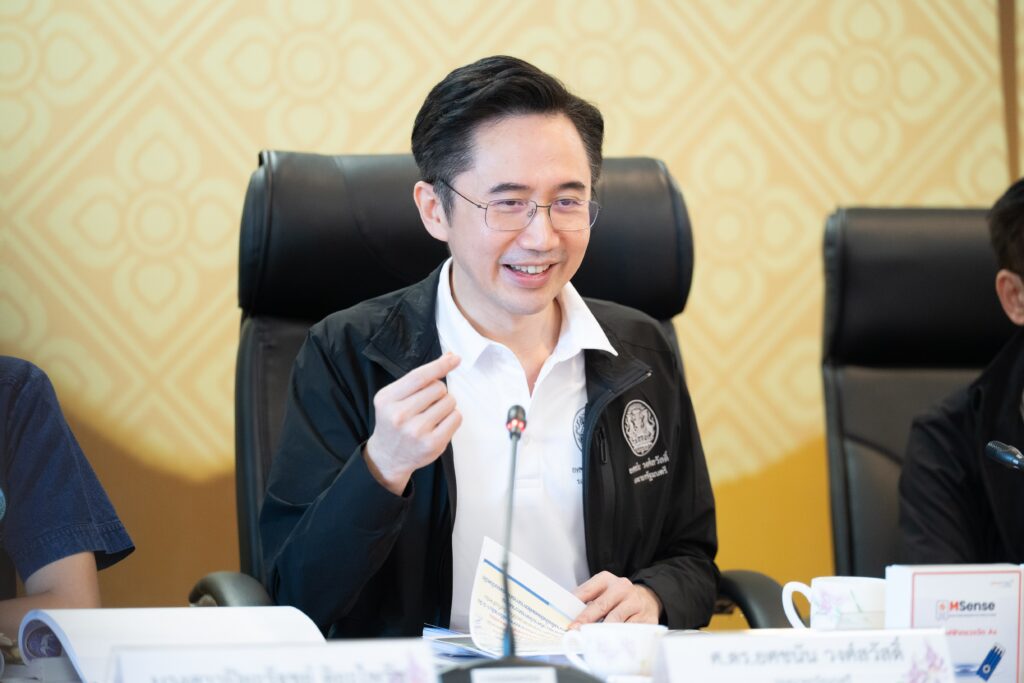

November 15, 2026, Mae Sai District, Chiang Rai, Thailand – Prof. Dr. Yodchanan Wongsawat, Deputy Prime Minister and Minister of Higher Education, Science, Research and Innovation (MHESI), visited Mae Sai District to assess the local water quality situation and promote the use of science, research and innovation to address heavy metal contamination, particularly arsenic, in local water sources.
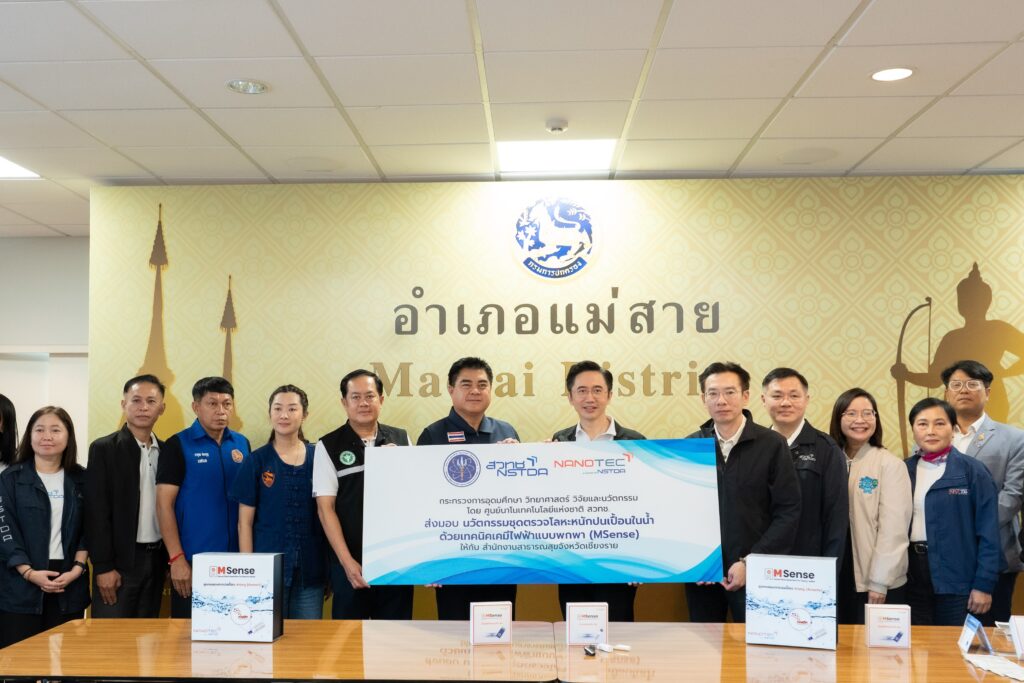
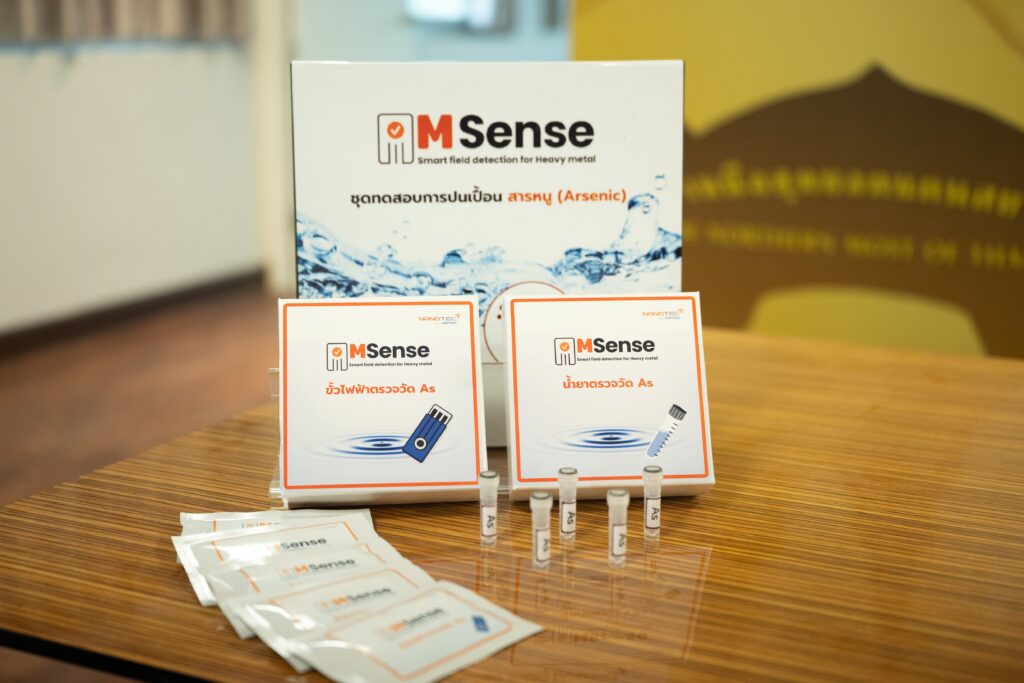
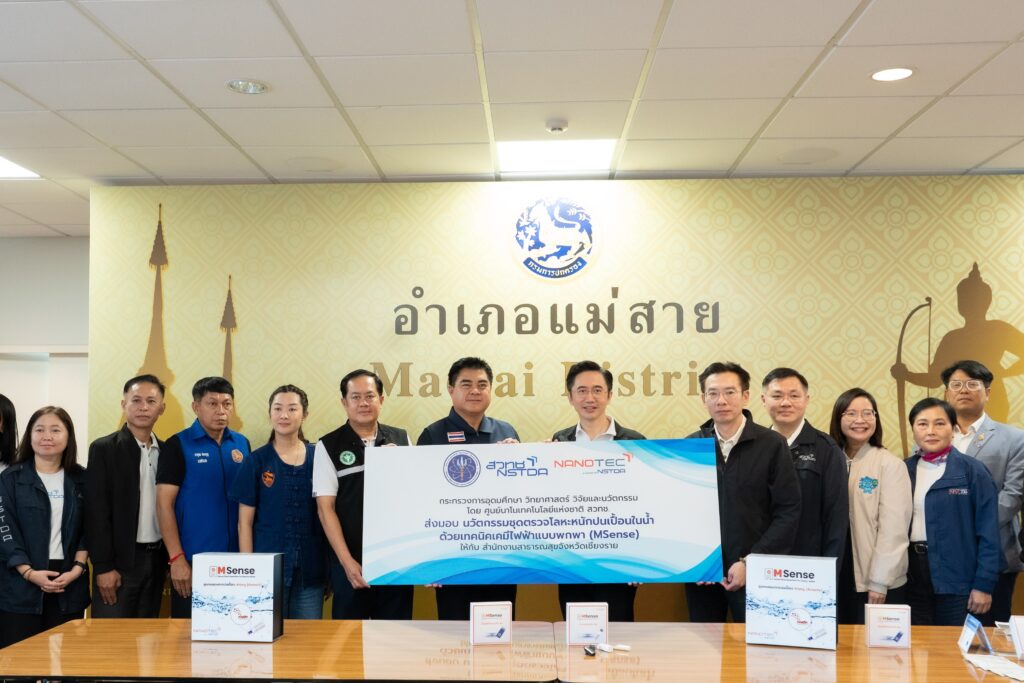
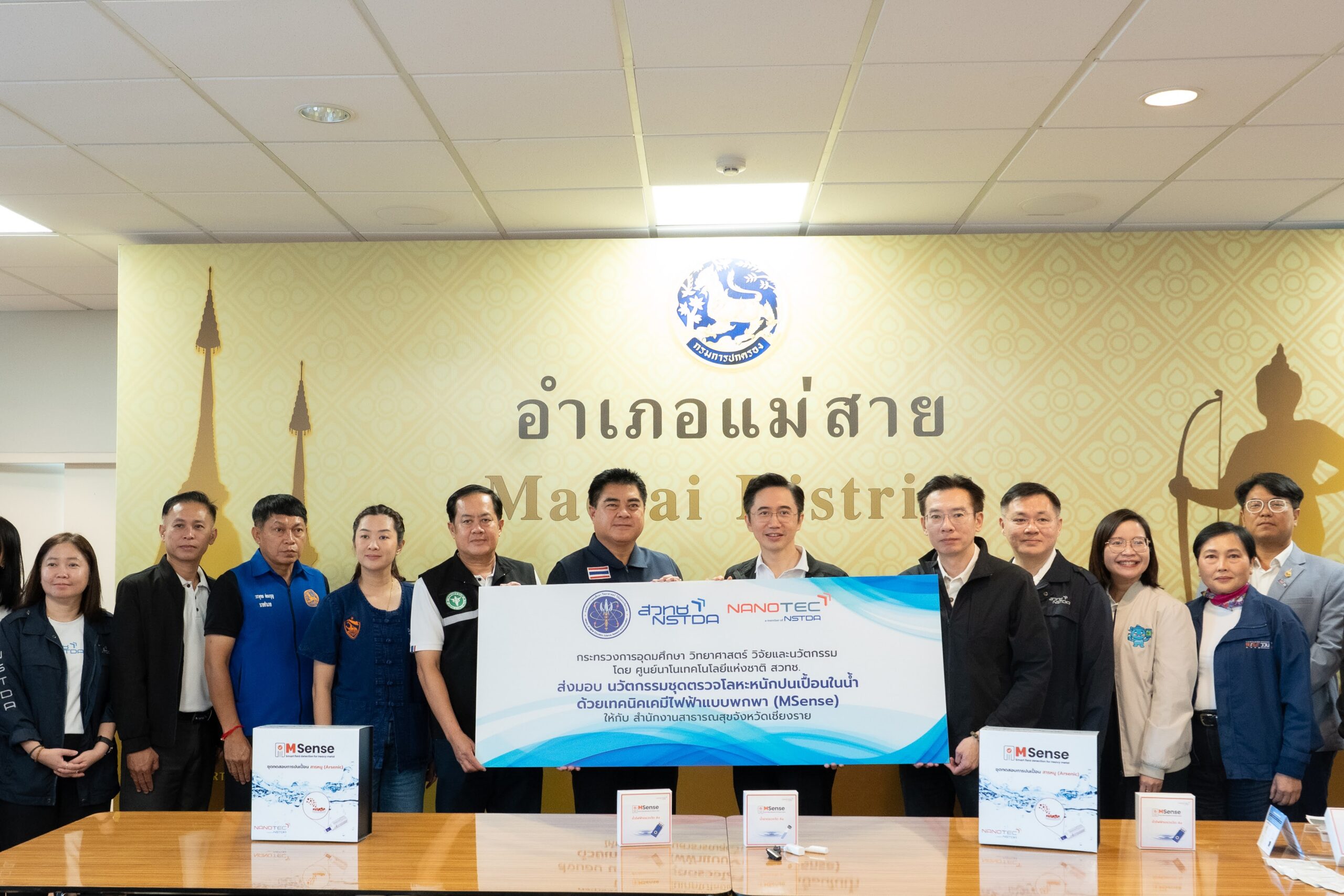
The visit highlighted innovations developed by the National Nanotechnology Center (NANOTEC), under the National Science and Technology Development Agency (NSTDA), through its A-QUALITY (Clean Water Innovation for Quality of Life) program. On this occasion, a portable M-Sense heavy metal detection kit was handed over to the Chiang Rai Provincial Public Health Office to support ongoing water quality monitoring and proactive surveillance in affected areas.
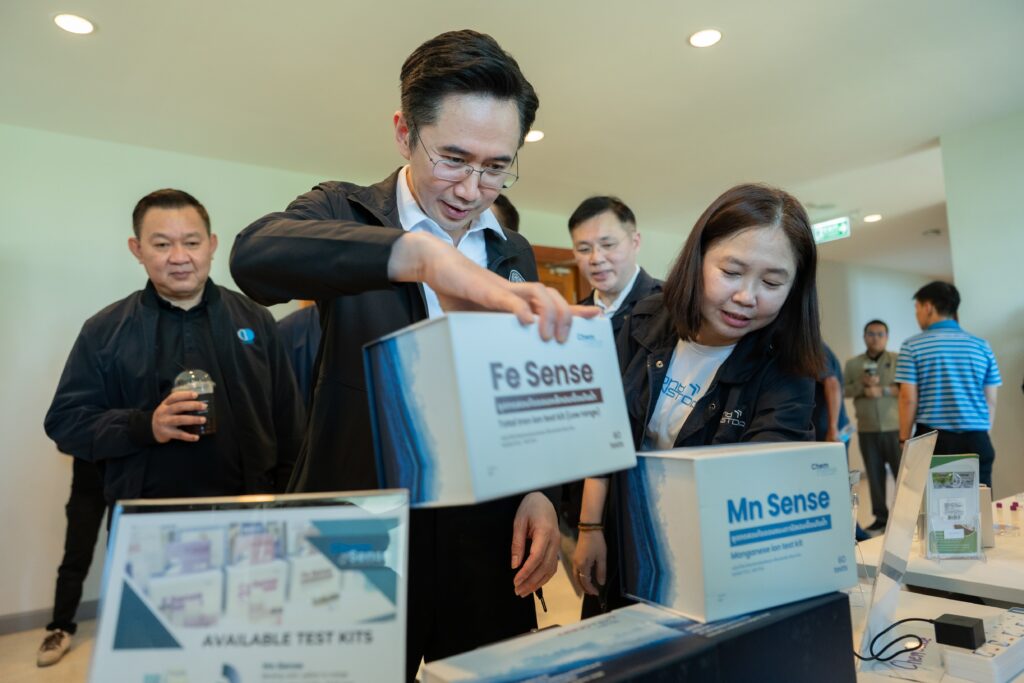
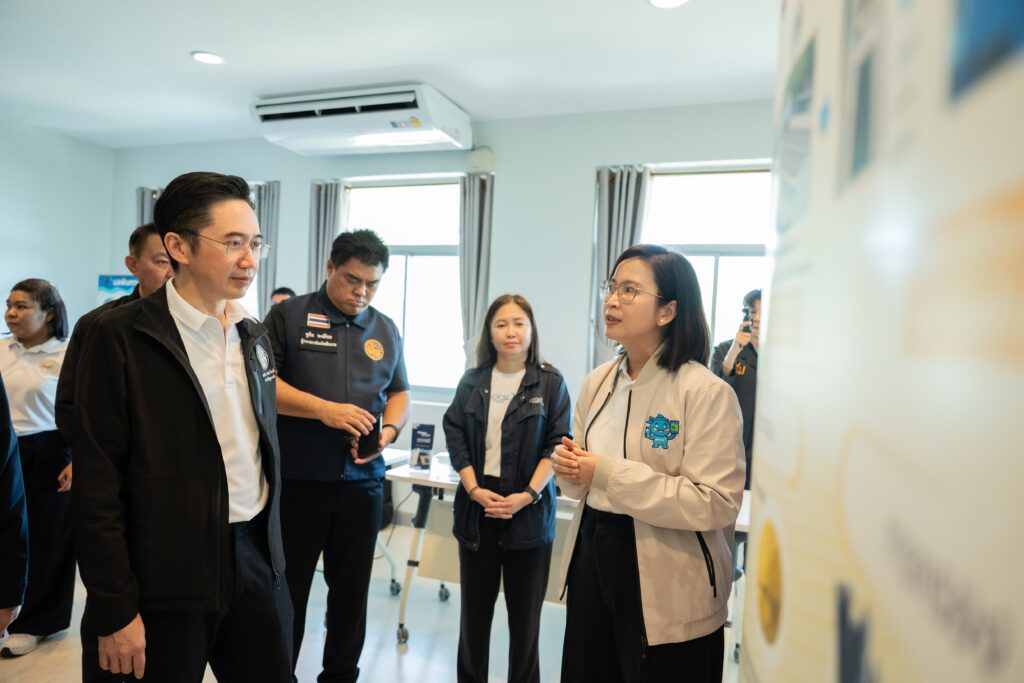
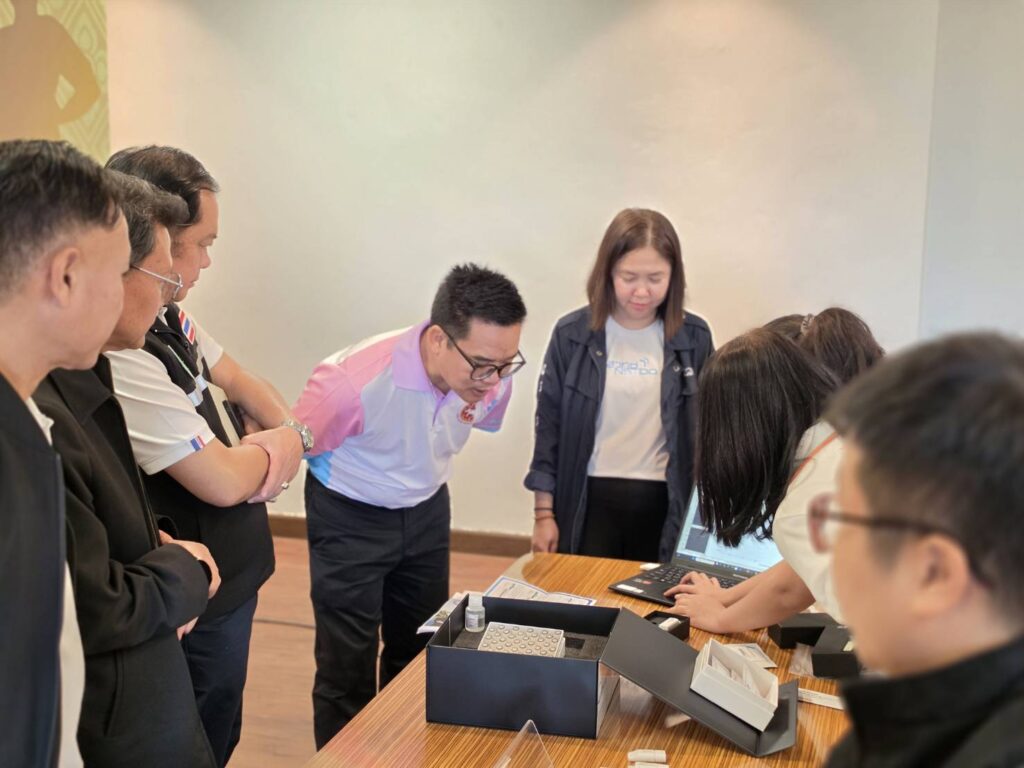
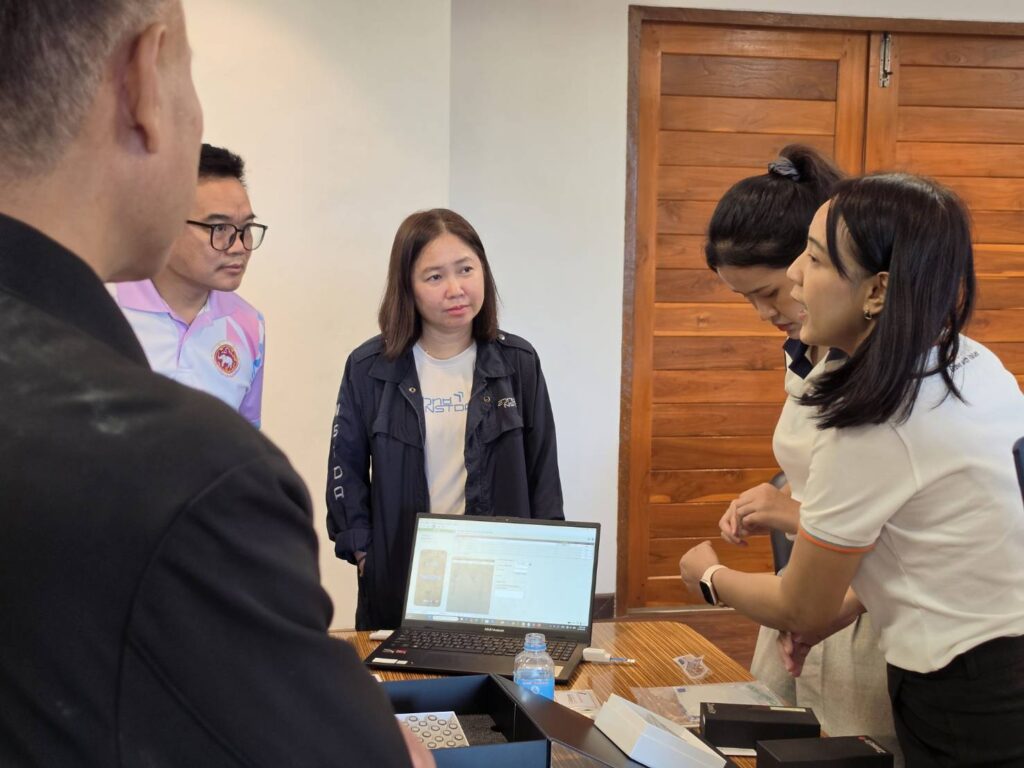
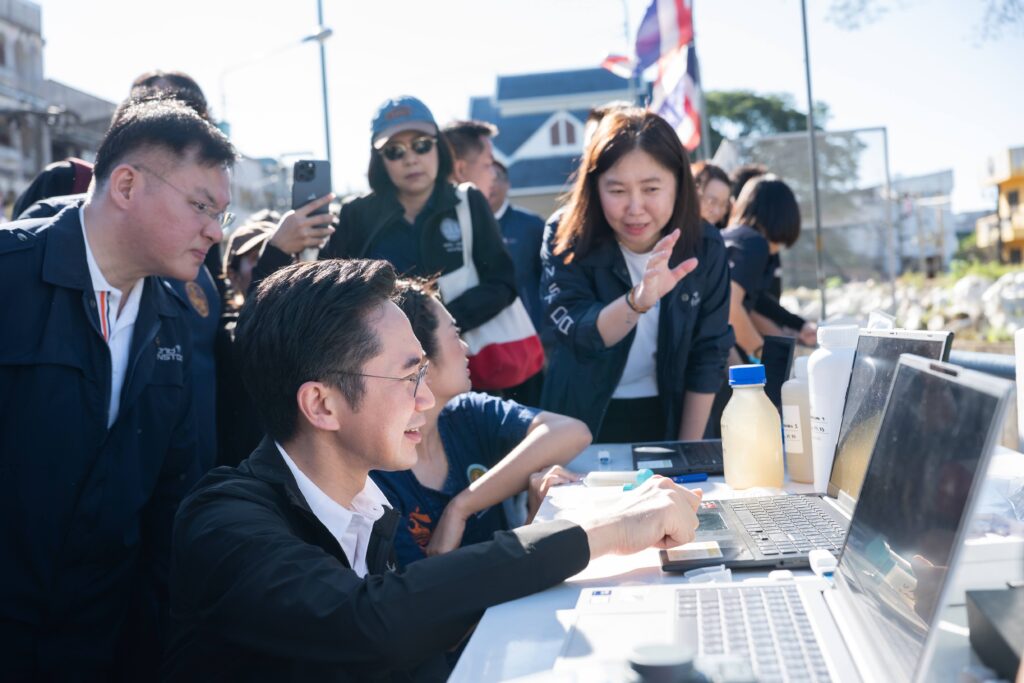
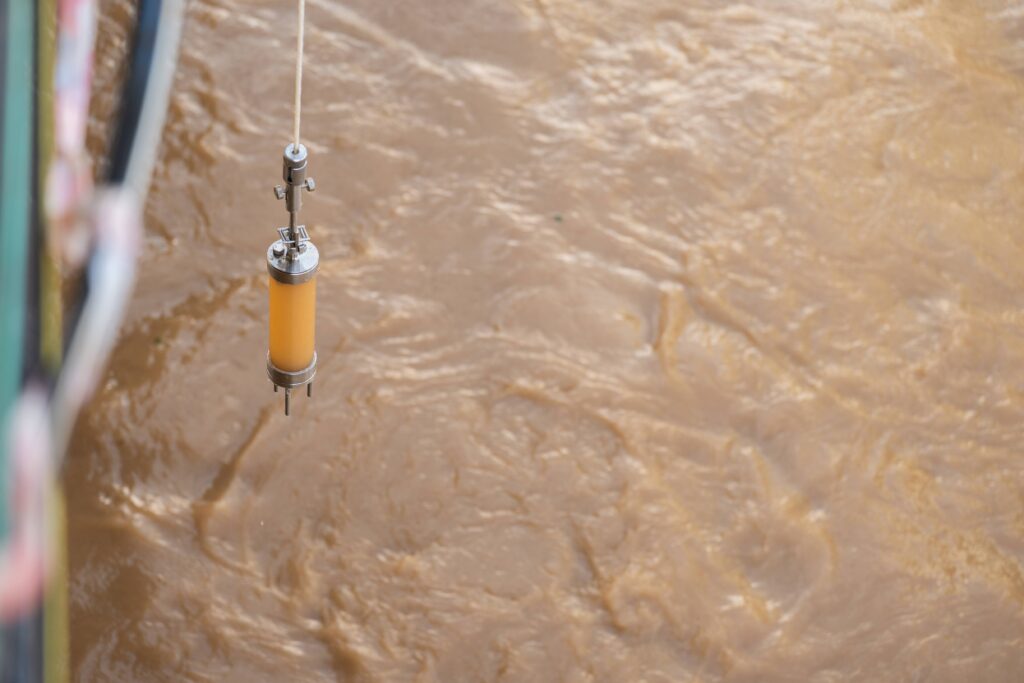
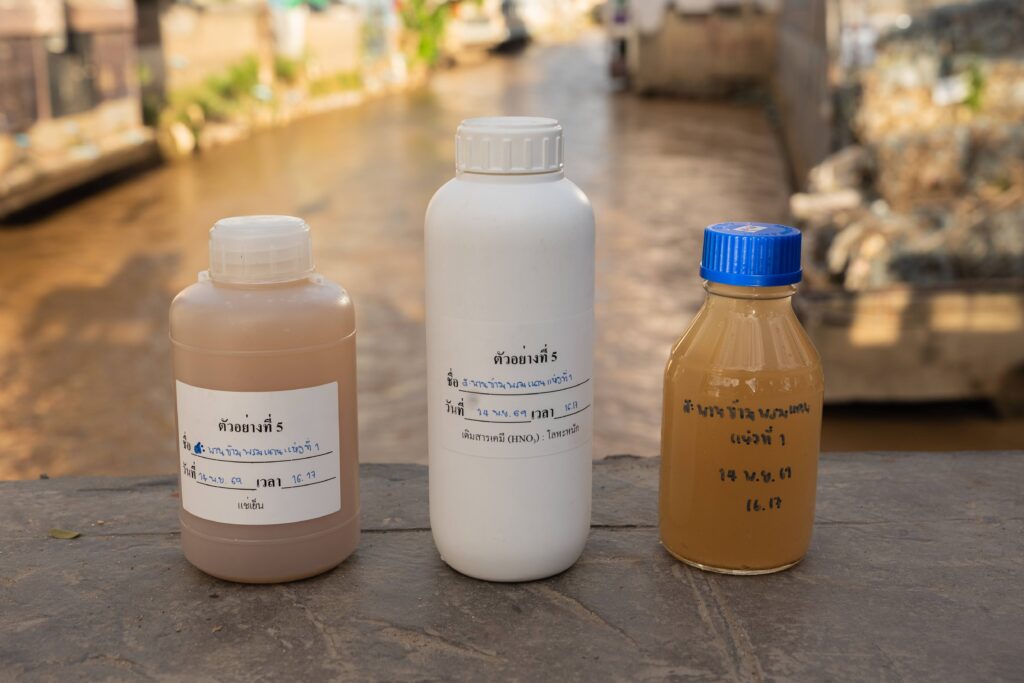
During the visit, Prof. Dr. Yodchanan observed a demonstration of the M-Sense detection kit at the water level monitoring station on the first Mae Sai border bridge. He also received updates on the water quality situation and monitoring results from the Sai River. He called for greater use of science, research and innovation to strengthen water quality testing, surveillance and management, enabling local authorities to access the tools and knowledge needed to respond to emerging situations promptly and effectively.
Prof. Dr. Yodchanan emphasized that arsenic and heavy metal contamination in the Sai River is a serious concern because of its direct implications for public health, environmental quality and water security. Continuous monitoring and assessment are therefore essential to protect communities in affected areas.
Previously, the Department of Disease Control, Ministry of Public Health, issued an advisory for residents in five subdistricts of Mae Sai District – Mae Sai, Pong Pha, Si Mueang Chum, Wiang Phang Kham and Ko Chang – urging them to avoid using water directly from the Sai River for drinking and cooking, as well as avoiding the consumption of aquatic animals from the affected water source. Health surveillance and follow-up for at-risk populations are also being carried out to assess potential exposure to arsenic.
“Clean water is fundamental to quality of life, and everyone should have access to it. Science, research and innovation must move beyond the laboratory and deliver practical solutions to real-world challenges. This means developing rapid screening tools, establishing continuous monitoring systems and building water management approaches suited to local conditions. These efforts will provide relevant agencies with reliable information for decision-making and help ensure that people have sustainable access to clean and safe water,” he said.
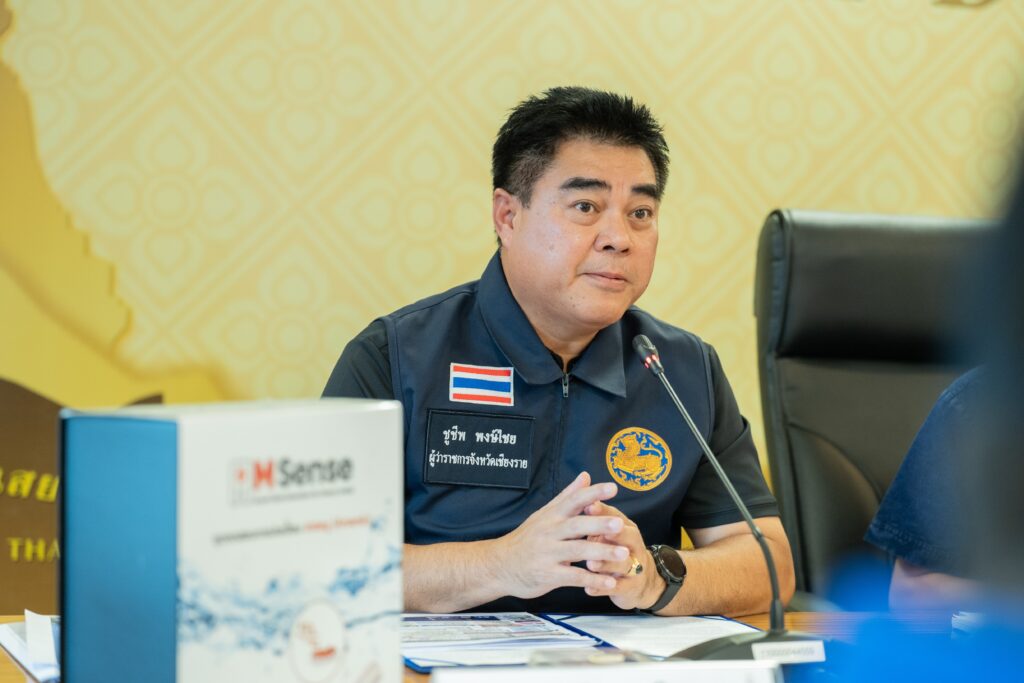
Mr. Choocheap Pongchai, Governor of Chiang Rai Province, also joined the visit to review the province’s ongoing response and water quality management measures.
According to the Pollution Control and Environmental Quality Office Region 1 (Chiang Mai), water turbidity in the Sai River exceeded 10,000 NTU on November 5–6, 2026, while arsenic levels reached 0.30 milligrams per liter. In response, the Provincial Waterworks Authority’s Mae Sai branch temporarily suspended its water production system as a precautionary measure to prevent contaminated water from entering the public supply. Normal production and distribution resumed after the necessary system adjustments were completed.
The province is also exploring alternative water sources, including groundwater wells, a proposed water diversion from the Mekong River to the Mae Sai water supply system, and additional sources for medium- and long-term use. Addressing the situation requires coordinated efforts among environmental, public health, water resource and research agencies, covering water quality monitoring, alternative water supplies and measures to protect public health.
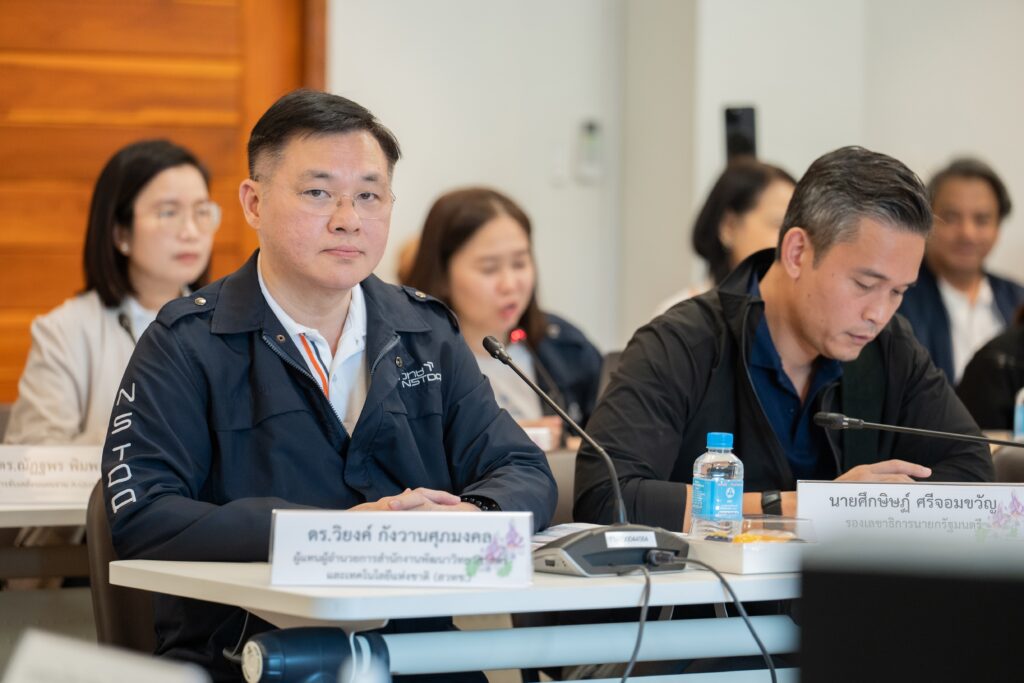
Dr. Wiyong Kangwansupamonkon, Deputy Director of the National Nanotechnology Center (NANOTEC), said NSTDA is committed to applying scientific knowledge and research outcomes to address pressing national challenges, particularly environmental issues that affect people’s health and quality of life.
With expertise in materials science and nanotechnology, NANOTEC develops technologies for practical applications and works closely with government agencies, local authorities and partner networks to ensure that research outcomes are translated into tangible benefits.
“The real value of research lies in its ability to address people’s needs. For water quality challenges, our work focuses on developing effective detection tools, designing treatment systems suited to local conditions and transferring the necessary knowledge to local agencies. This will enable them to put these technologies to use and maintain the systems over time,” Dr. Wiang said.
Dr. Nuttaporn Pimpha, Director of the A-QUALITY Program at NANOTEC, NSTDA, explained that A-QUALITY serves as a mechanism for bringing research and innovation together to address water quality challenges through an integrated approach. Its work covers contamination testing and surveillance, the development of water treatment systems and technology prototypes, and knowledge transfer to strengthen the capacity of local agencies and communities to manage their own water systems.
The program aims to support reliable, long-term access to clean and safe water.
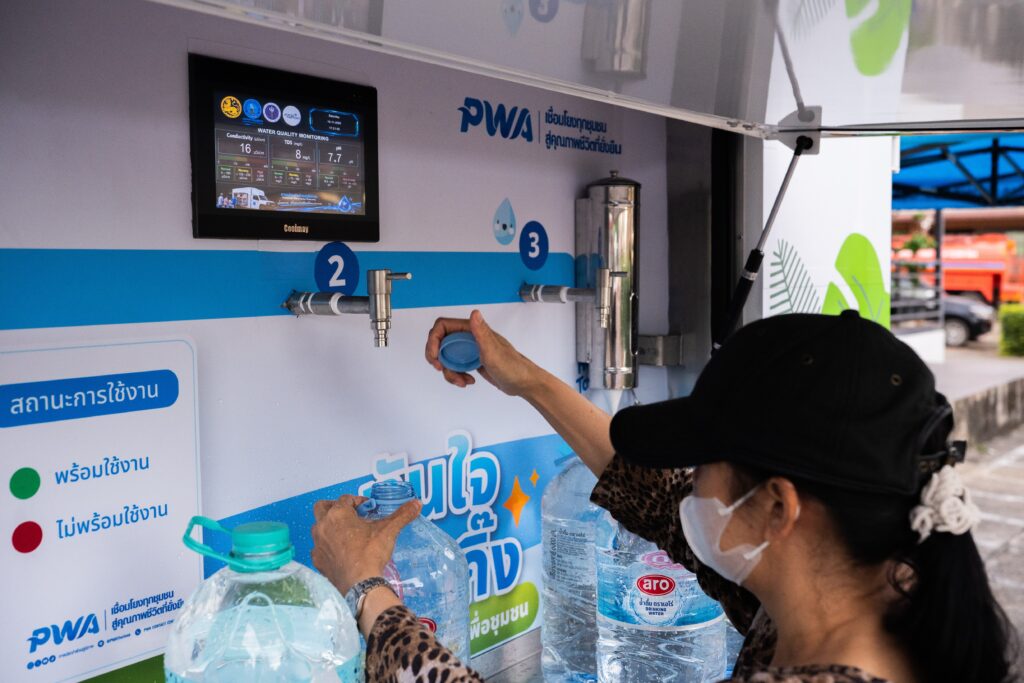
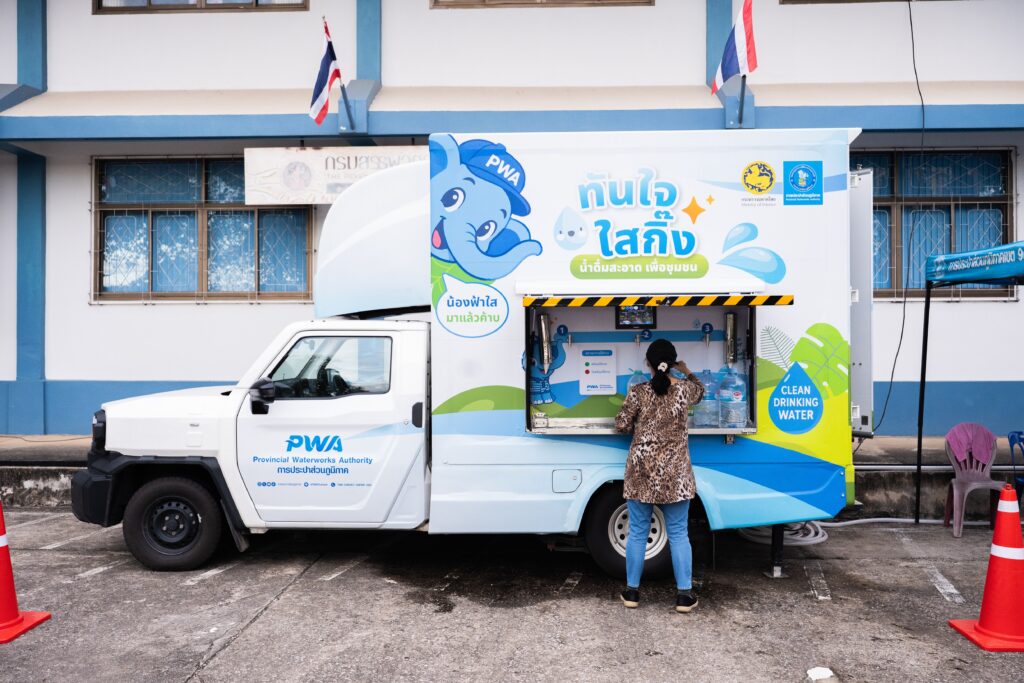
As part of these efforts, NANOTEC, NSTDA, in collaboration with the National Research Council of Thailand (NRCT) and local agencies in Chiang Rai, has developed a prototype community water supply system designed to remove arsenic in the Kok River Basin. The project improves existing community water supply infrastructure to reduce arsenic contamination and incorporates a nanotechnology-based drinking water treatment system with water quality monitoring capabilities. The system is designed to serve more than 1,180 households.
“Addressing water quality challenges requires more than testing or treatment alone. Monitoring data must be connected to technologies that can effectively remove contaminants, while local communities need the knowledge and skills to maintain these systems. Through A-QUALITY, we are working to establish an integrated water management approach that covers the entire process, from monitoring to treatment and local capacity building, with the goal of strengthening long-term water security and delivering lasting benefits to communities,” Dr. Nattaporn said.
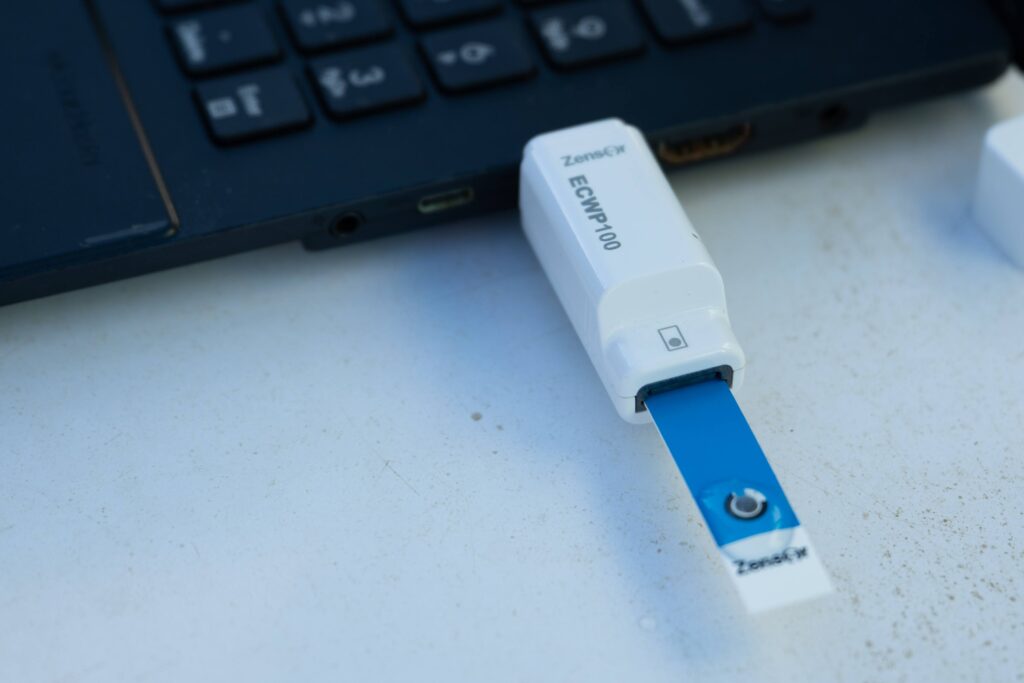
Dr. Weerakanya Maneeprakorn, Director of the Responsive Materials and Nanosensors Research Group, together with the NSTDA research team. introduced M-Sense, a portable heavy metal detection kit developed by NANOTEC researchers.
The technology uses electrochemical sensing to detect four heavy metals commonly associated with water contamination: arsenic, lead, cadmium and mercury. It provides quantitative concentration readings in the ppb–ppm range, operates with a portable reader and delivers results within 3–5 minutes.
“For the contamination concerns in the Kok River, M-Sense can serve as an important tool for preliminary screening and heavy metal surveillance in at-risk areas. It enables field officers to obtain initial results directly at sampling locations without having to wait for samples to be sent to a central laboratory. This can improve the speed of situation assessment and support local decision-making,” Dr. Weerakanya explained.
NANOTEC aims to expand the technology’s application among relevant agencies, including the Department of Groundwater Resources, Pollution Control Department and Department of Health, to support water quality monitoring, surveillance and management. Screening results can provide an initial assessment and help determine when further confirmation using standard laboratory methods is necessary.
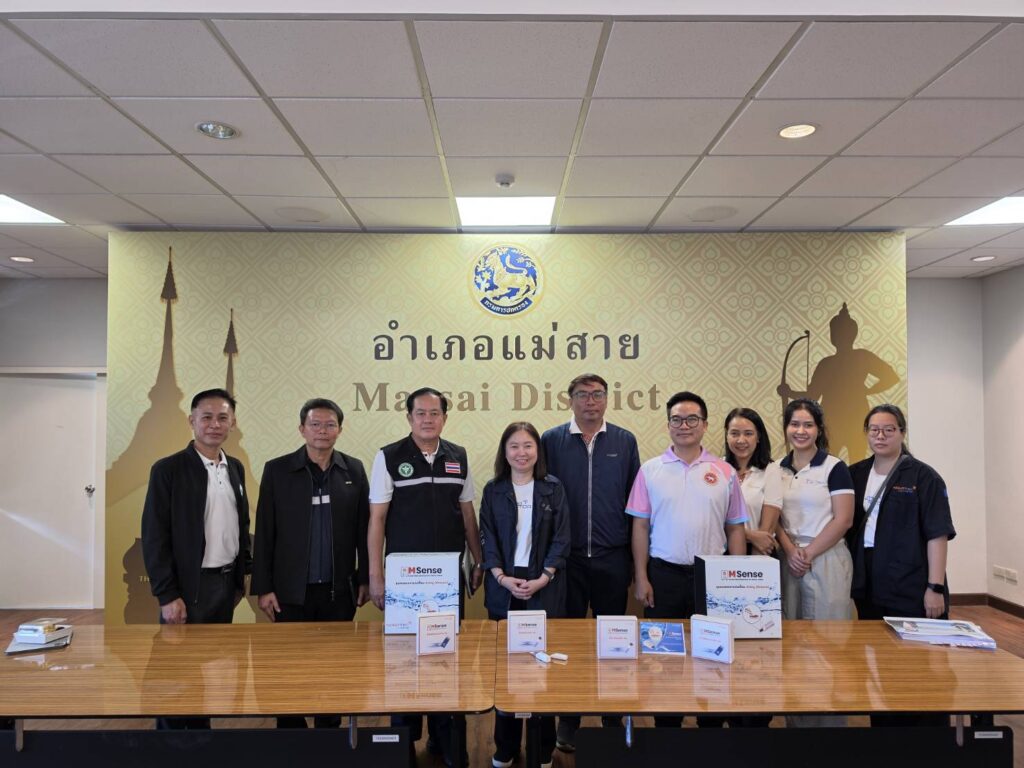
During the visit, Prof. Dr. Yodchanan, representing MHESI, formally handed over an M-Sense arsenic detection kit to the Chiang Rai Provincial Public Health Office. The equipment will support water quality screening and surveillance in affected areas, complementing the ongoing work under A-QUALITY. It will give local authorities greater access to scientific tools and information for assessing contamination and planning timely responses.
The visit demonstrates how science, research and innovation can be brought from the laboratory into real-world applications. By combining field-based detection technologies, water treatment solutions and capacity building for local agencies, NANOTEC and its partners aim to strengthen water quality.